Knafeh is a delicious traditional Middle Eastern dish
Knafeh is a Middle Eastern dessert with sweet savory taste, unique texture, and widely loved as a traditional delicious dessert dish.
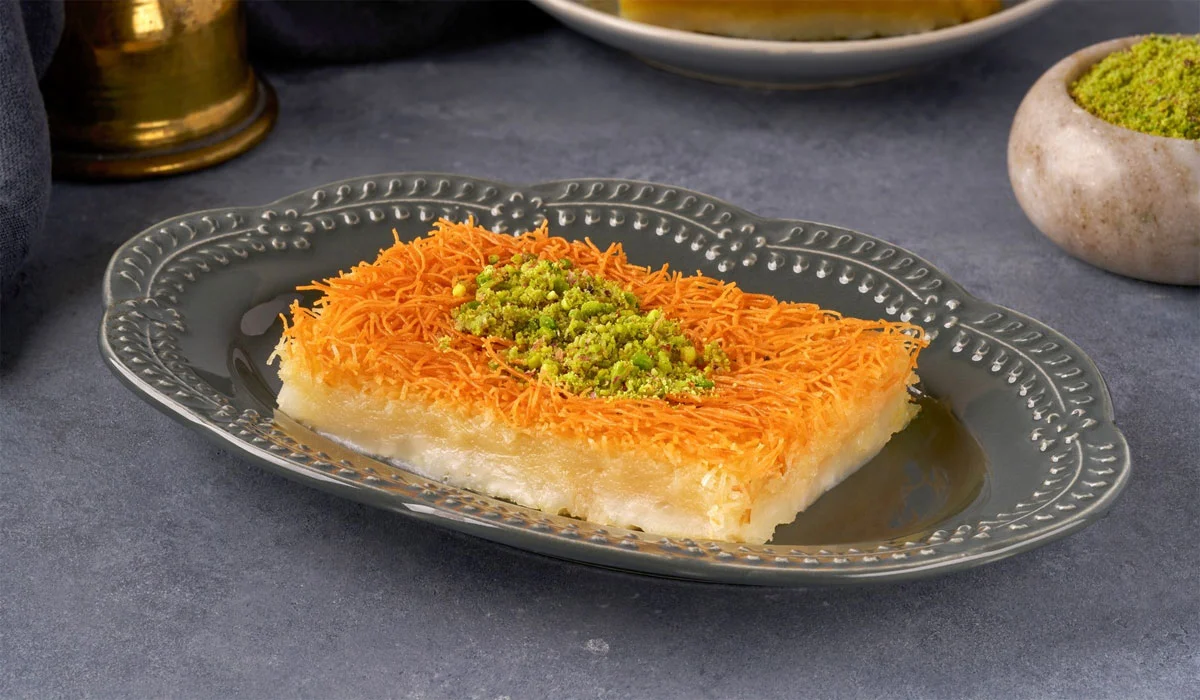
Knafeh is a traditional Middle Eastern dessert made from cheese, sugar syrup. And thin pastry layers baked until achieving sweet savory flavor. Below Sweets Lover will discuss the main aspects of this Middle Eastern dessert which is widely known for its unique taste and cultural significance.
What Is This Traditional Middle Eastern Dessert
Knafeh is recognized as a traditional Middle Eastern dessert combining soft cheese with thin crispy pastry layers and sweet syrup coating. This dish features a golden color created through baking and soaking in aromatic sugar syrup that enhances overall flavor. Many regions prepare it with additional toppings such as pistachios that add texture and richness to the final presentation.
The balance between savory cheese and sweet syrup creates a satisfying taste that appeals to many dessert lovers. It is often served during gatherings and celebrations as a symbol of hospitality and shared enjoyment. Its preparation method remains simple while preserving strong cultural traditions in every layer served.
Origin and Culinary History
Knafeh originated in the Levant region and became an important culinary symbol within Middle Eastern traditions for many generations over time. Historical accounts suggest it was created to provide energy during long activities and became popular in special occasions. Recipes passed down through generations with slight variations depending on local ingredients and regional cooking techniques.
Each area developed unique characteristics in cheese selection and presentation style that distinguish its version from others. The dessert holds cultural value that extends beyond food and represents heritage preserved across communities. Its historical importance ensures that it remains relevant and respected within traditional cuisine even today.
Also Read: Caramel Grass Jelly Ice: A Traditional Drink That Young People Are Addicted to
Main Ingredients and Preparation Method
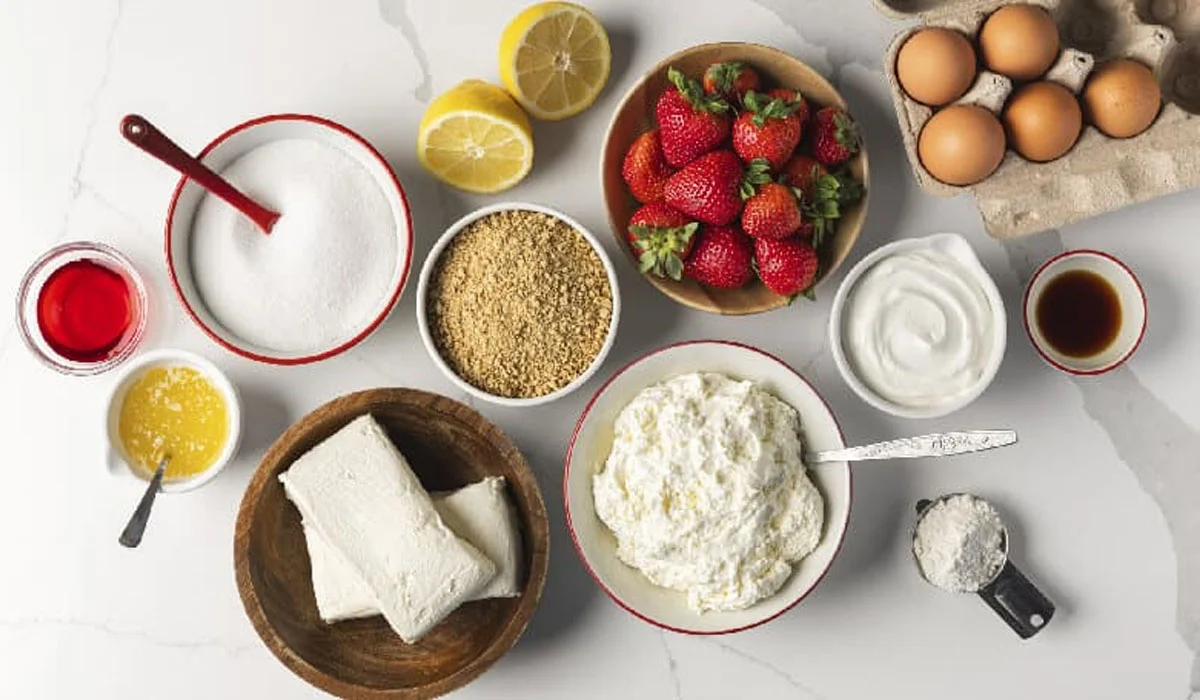
Knafeh uses soft cheese, shredded pastry such as kataifi, butter, and sugar syrup as its primary ingredients in preparation process. The method begins by layering pastry evenly then placing cheese in the center before baking until reaching perfect texture and color. After baking, the dessert is soaked with syrup to create a sweet flavor that spreads throughout every layer evenly.
The crispy exterior contrasts with the soft melted interior creating a pleasant eating experience for those who enjoy desserts. Some variations include nuts or floral water to enhance aroma and overall taste complexity. This simple preparation produces a high quality dessert enjoyed by many people.
Unique Taste and Texture Experience
Knafeh offers a rare combination of sweet and savory flavors that stands out among many desserts found across global culinary traditions. The outer layer delivers a crispy texture that contrasts beautifully with the soft and stretchy cheese inside when served warm. The syrup often carries subtle aromatic notes that elevate the entire flavor profile without overwhelming the natural taste of the ingredients.
Each bite provides layered sensations that feel rich yet balanced in every aspect of taste and texture. This harmony creates a memorable dessert experience that appeals to a wide range of preferences. Its distinctive qualities make it easily recognizable and highly appreciated by dessert enthusiasts worldwide.
Popularity and Serving Across Countries
Knafeh has gained popularity beyond the Middle East and is now widely enjoyed in various countries as a unique and appealing dessert option. Many restaurants present creative variations while still maintaining the authentic flavor that defines its traditional identity and cultural roots. It is typically served warm to preserve the soft cheese texture and ensure the syrup remains fully absorbed within the layers.
Some establishments offer individual portions while others serve larger trays for sharing among groups or family gatherings. Its growing global presence highlights how traditional foods can adapt while keeping their original character intact. This dessert represents a successful example of culinary tradition crossing cultural boundaries gracefully.
Image Information Source:
First Image from: www.tastingtable.com
Second Image from: www.bettycrocker.com